The Life of a Professional Writer
The Rewards and Challenges of Professional Writing
From Addiction to Authorship: How Sharing Your Story Supports Recovery
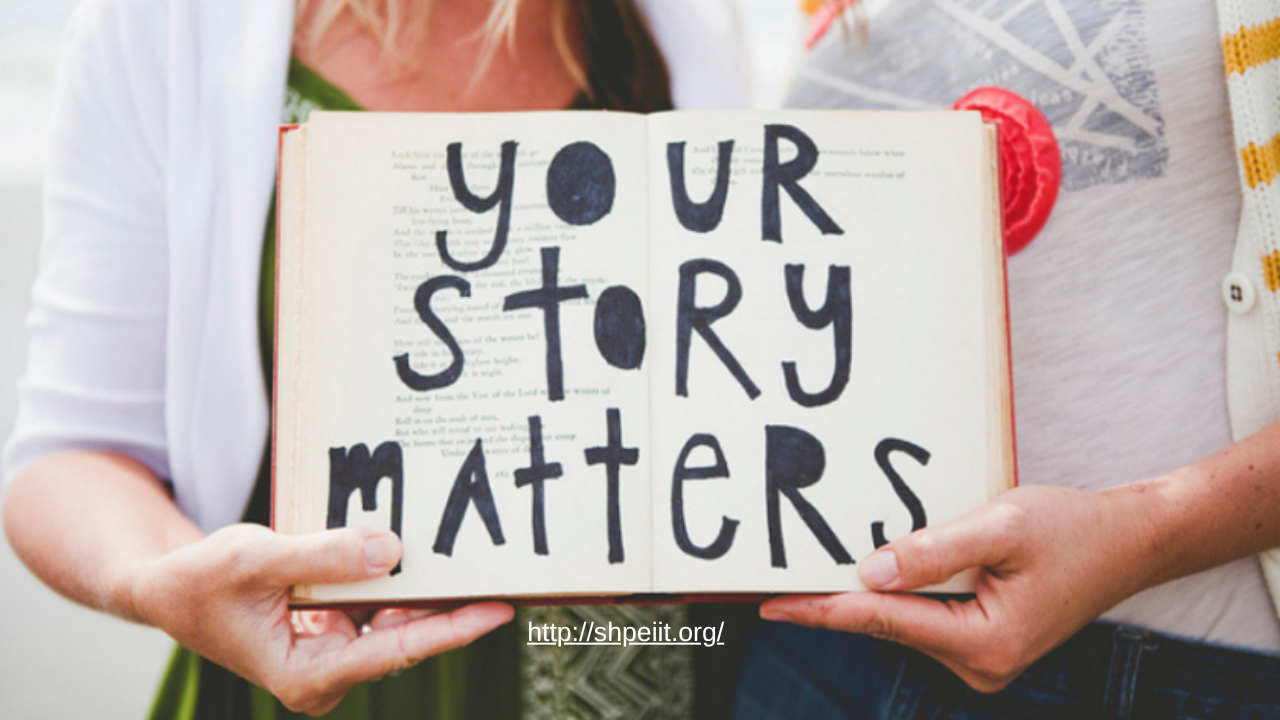 Turning Personal Struggles into Strength
Addiction is often accompanied by silence, shame, and isolation. Yet, one of the most powerful steps toward recovery is finding the courage to share your story. Writing about addiction allows individuals to process emotions, reflect on their journey, and inspire others who may be facing similar challenges. By transforming personal struggles into narratives of resilience, individuals reclaim their voice and strengthen their path to lasting recovery.
At SHPEIIT, we understand that recovery is more than abstaining from substances. True healing encompasses mental, emotional, and spiritual growth. Through our holistic, faith-based, and individualized programs, we encourage clients to explore creative outlets such as writing, which can complement therapy and support long-term sobriety.
Why Sharing Your Story Matters
Breaking the Silence and Reducing Stigma
Addiction carries significant social stigma, which can prevent individuals from seeking help. Sharing your story helps dismantle misconceptions by showing that addiction is a human struggle, not a moral failing. Writing honestly about your experiences provides insight, fosters empathy, and encourages others to reach out for help without shame.
Reclaiming Identity and Control
Addiction can often leave individuals feeling powerless and defined by their struggles. Writing is a tool to regain control over your narrative. When you document your journey, you decide how your story is told. This empowerment supports self-esteem, builds confidence, and reinforces the personal growth achieved throughout recovery.
Inspiring Hope in Others
Your story can be a beacon of hope. For those still struggling, reading authentic accounts of recovery demonstrates that change is possible. Sharing experiences, challenges, and victories validates the feelings of others while motivating them to take the first step toward healing.
The Therapeutic Benefits of Writing
Emotional Processing and Reflection
Writing about your experiences allows for deep emotional processing. Journaling or crafting narratives helps individuals organize thoughts, understand triggers, and express complex feelings that may be difficult to voice aloud. This reflection fosters clarity, reduces stress, and strengthens emotional resilience.
Encouraging Mindfulness and Self-Awareness
Documenting recovery experiences promotes mindfulness by keeping individuals engaged with their present thoughts and feelings. It encourages self-awareness, helping people identify patterns, celebrate progress, and make informed choices that support continued growth.
Supporting Spiritual and Holistic Healing
At SHPEIIT, we view recovery as a journey of mind, body, and spirit. Writing can integrate seamlessly into holistic practices, allowing individuals to explore faith, gratitude, and personal values. These reflective practices nurture inner peace and reinforce the spiritual component of lasting recovery.
Practical Tips for Getting Started
-
Start Small: Begin with a few sentences each day or simple prompts like “What am I grateful for today?”
-
Write Honestly: Focus on feelings and experiences rather than grammar or style.
-
Use Prompts: Questions like “What lessons has recovery taught me?” or “What challenges have I overcome?” can guide writing.
-
Seek Support: Share your writing with a therapist, mentor, or support group if it feels safe and helpful.
These strategies create structure while maintaining flexibility, making writing a sustainable part of the recovery journey.
Your Story is Powerful
Sharing your story is more than a creative exercise; it is an act of healing, empowerment, and connection. Writing about addiction allows you to process your past, celebrate your growth, and inspire others to seek help.
If you or a loved one is struggling with addiction, SHPEIIT provides compassionate, faith-based, and personalized treatment programs designed to support emotional, mental, and spiritual recovery. Reach out today and start turning your journey from struggle to strength—your story has the power to heal both yourself and others.